
led light mirror for bathroom
Replacing a Water Valve A Step-by-Step Guide Water valves are essential components of any plumbing system, controlling the flow of water in and out of various fixtures and appliances. Over time, these valves can wear out, become corroded, or develop leaks, necessitating their replacement. If you find yourself in a situation where you need to replace a water valve, whether it’s for a sink, toilet, or main water line, this guide will provide you with a comprehensive overview of the process, ensuring that you can carry out this task efficiently and safely. Understanding Water Valves Before diving into the replacement process, it’s essential to understand what type of water valve you are dealing with. Common types include gate valves, ball valves, and globe valves. Gate valves are typically used for on/off control and are not ideal for throttling. Ball valves, on the other hand, offer a quick on/off function with minimal flow resistance. Globe valves are mainly used for regulating flow. Identifying your valve type will help you choose the right replacement. Tools and Materials To successfully replace a water valve, gather the following tools and materials - Adjustable wrenches or a set of pipe wrenches - Screwdriver (flathead or Phillips, depending on your valve) - Replacement valve - Plumber’s tape (Teflon tape) - Bucket or towels to catch any residual water - Safety goggles and gloves Steps to Replace a Water Valve 1 . Turn Off the Water Supply Safety is paramount when working with plumbing. Locate the main water shut-off valve in your home, usually found near the water meter. Turn it off by rotating the handle clockwise. If you're replacing a valve for a specific fixture, such as a sink or toilet, you may find individual shut-off valves beneath the fixture. 2. Drain the System Open the faucet or fixture associated with the valve you are replacing to allow any remaining water to drain out of the system. This step is crucial to prevent water from spilling when you remove the valve. replace a water valve 3. Remove the Old Valve Using your adjustable wrenches, carefully loosen and disconnect the old valve from the pipe. If the valve has screws, use your screwdriver to remove them first. Be prepared for some residual water to spill out, so keep your bucket or towels handy. 4. Clean the Threads Once the old valve is removed, inspect the threads on the pipe for any debris or old plumber’s tape. Clean the threads to ensure a good seal with the new valve. Any residue could lead to leaks. 5. Install the New Valve Wrap the threads of the pipe with plumber's tape to ensure a tight seal. Then, attach the new valve by threading it onto the pipe. Make sure it’s oriented correctly, with the handle positioned in a way that makes it easy to operate. Tighten it carefully with your wrench, being cautious not to over-tighten, as this can damage the threads. 6. Check for Leaks Once the new valve is installed, turn the main water supply back on slowly. Look for any signs of leaks around the valve. If you notice any leaking, you may need to tighten it slightly or reapply plumber's tape. 7. Test the Valve Finally, test the new valve by turning it on and off a few times. Make sure it operates smoothly and that water flows without any obstruction. Check for leaks once more after testing. Conclusion Replacing a water valve is a straightforward task that can save you from costly plumbing issues in the future. By following these steps, you can ensure that the valve operates efficiently and securely. Always remember to wear proper safety gear and take your time to do the job correctly. If at any point you feel uncomfortable or unsure, don’t hesitate to consult a professional plumber. Regular maintenance of your plumbing system will not only prolong its life but also ensure the health and safety of your home environment.
about
led light mirror for bathroom
The Significance of Timber Fixed Brackets in Construction and Design Timber fixed brackets are an essential component in modern construction and design, providing both structural support and aesthetic appeal. These brackets serve as a crucial connection between various building elements, ensuring stability and integrity while enhancing the overall aesthetic of a project. Understanding the importance, applications, and benefits of timber fixed brackets can help architects, builders, and designers make informed choices that enhance both functionality and beauty in their projects. The Role of Timber Fixed Brackets Timber fixed brackets are designed to connect wooden beams, posts, and other structural components securely. They are typically crafted from durable hardwoods or engineered materials, allowing them to withstand significant loads while resisting warping and degradation. Their primary role is to offer support and stability, transferring loads from one structural element to another, which is particularly important in timber-framed construction where loads can be distributed unevenly. Moreover, these brackets can bear the weight of various architectural features such as canopies, overhangs, and valances. By strategically placing timber fixed brackets, architects and builders can create visually appealing designs while maintaining structural balance and integrity. Aesthetic Appeal Beyond their functional purposes, timber fixed brackets can significantly enhance the visual appeal of a building. They come in various styles, shapes, and finishes, allowing designers to choose an option that complements the architecture and overall design theme of a space. For instance, intricately carved brackets can add a touch of elegance to a traditional home, whereas sleek, minimalist designs may suit contemporary buildings. The natural beauty of timber, with its unique grain patterns and warm tones, can also contribute to the ambiance of a space. When exposed, timber fixed brackets can serve as a stunning feature, drawing attention to the craftsmanship and quality of the materials used . In this way, they become part of the overall design narrative, blending functionality with artistry. Versatility in Applications timber fixed bracket Timber fixed brackets are versatile and can be utilized in various applications across different sectors. In residential construction, they are commonly found in porches, balconies, and roof overhangs. In commercial settings, these brackets support canopies, shade structures, and signages, enhancing the functionality of commercial spaces while providing a warm and inviting atmosphere. In landscapes and gardens, timber fixed brackets can also play a role in the construction of pergolas, trellises, and other structures, allowing for a seamless integration of the built environment with nature. This versatility underscores the importance of timber fixed brackets, as they serve dual purposes in both interior and exterior design. Sustainability and Environmental Considerations With the growing emphasis on sustainable building practices, timber fixed brackets often stand out due to the renewable nature of wood. When sourced responsibly from sustainably managed forests, timber can be an eco-friendly alternative to steel and concrete. Using timber not only reduces the carbon footprint of a project but also enhances its thermal performance, contributing to energy efficiency. Additionally, timber has excellent insulating properties, helping to regulate indoor temperatures and reduce energy consumption in heating and cooling. By incorporating timber fixed brackets into a building's design, architects and builders can contribute to a more sustainable future while achieving aesthetic and functional goals. Conclusion In conclusion, timber fixed brackets play a pivotal role in modern construction and design, offering a perfect blend of strength, support, and beauty. Their ability to enhance structural integrity while providing aesthetic value makes them invaluable in various applications, from residential to commercial projects. Furthermore, the sustainability of timber as a material aligns with contemporary environmental consciousness, allowing for responsible building practices. As architects and builders continue to explore innovative design solutions, the significance of timber fixed brackets will undoubtedly grow. By understanding their multifaceted benefits, designers can create spaces that are not only functional and structurally sound but also visually captivating and environmentally friendly. As we continue to evolve in our approach to architecture and construction, timber fixed brackets will remain a cornerstone of thoughtful, sustainable design.
-

High quality industrial productsagement

High quality industrial products
View Details -

Meet the diverse needs of customers

Meet the diverse needs of customers
View Details -

Strict quality control

Strict quality control
View Details -

Top raw materials

Top raw materials
View Details -

Trusted supplier

Trusted supplier
View Details
Our application


news and information
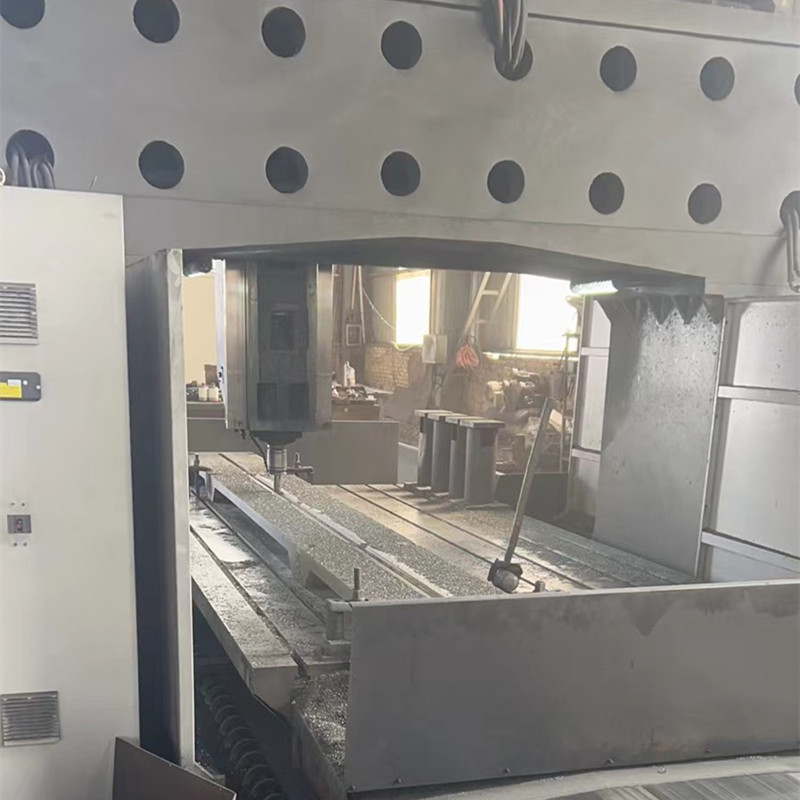
Versatile and Durable Galvanized Strut Pipe Clamps for Secure Industrial Applications and Constructi
The Importance of Galvanized Strut Pipe Clamps in Construction and Infrastructure In the world of co

Válvula borboleta elétrica 12V para controle de fluxo em sistemas industriais
Válvula Borboleta de 12V Eficiência e Versatilidade em Sistemas Hidráulicos A válvula borboleta é um
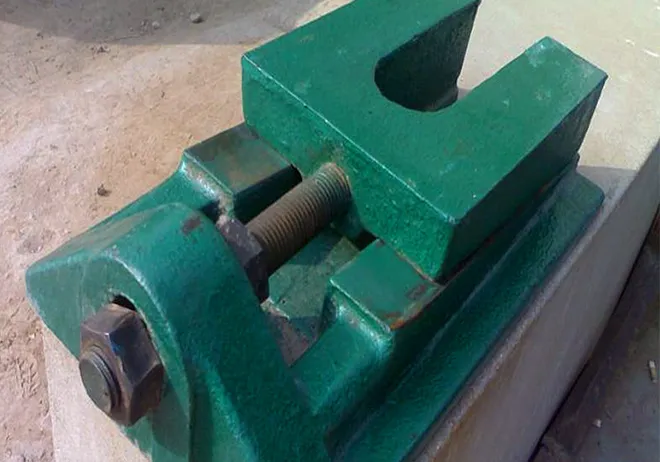
Versatile 4x4 Welding Table for Precision Metal Fabrication and Joinery Projects
The Versatility of a 4x4 Welding Table Welding is an essential fabrication process that requires pre
 English